
Maintaining a vehicle requires consistent care, awareness, and an understanding of core mechanical principles. Vehicle ownership brings freedom and convenience, but it also carries the ongoing responsibility of preserving a complex machine. Every automobile consists of thousands of interconnected systems working in tandem to deliver power, safety, and efficiency. When key components experience wear without proper intervention, minor issues can cascade into serious mechanical failures. By learning fundamental maintenance concepts, vehicle owners can protect their financial investment and enjoy safer trips on the road.
Understanding Regular Vehicle Maintenance
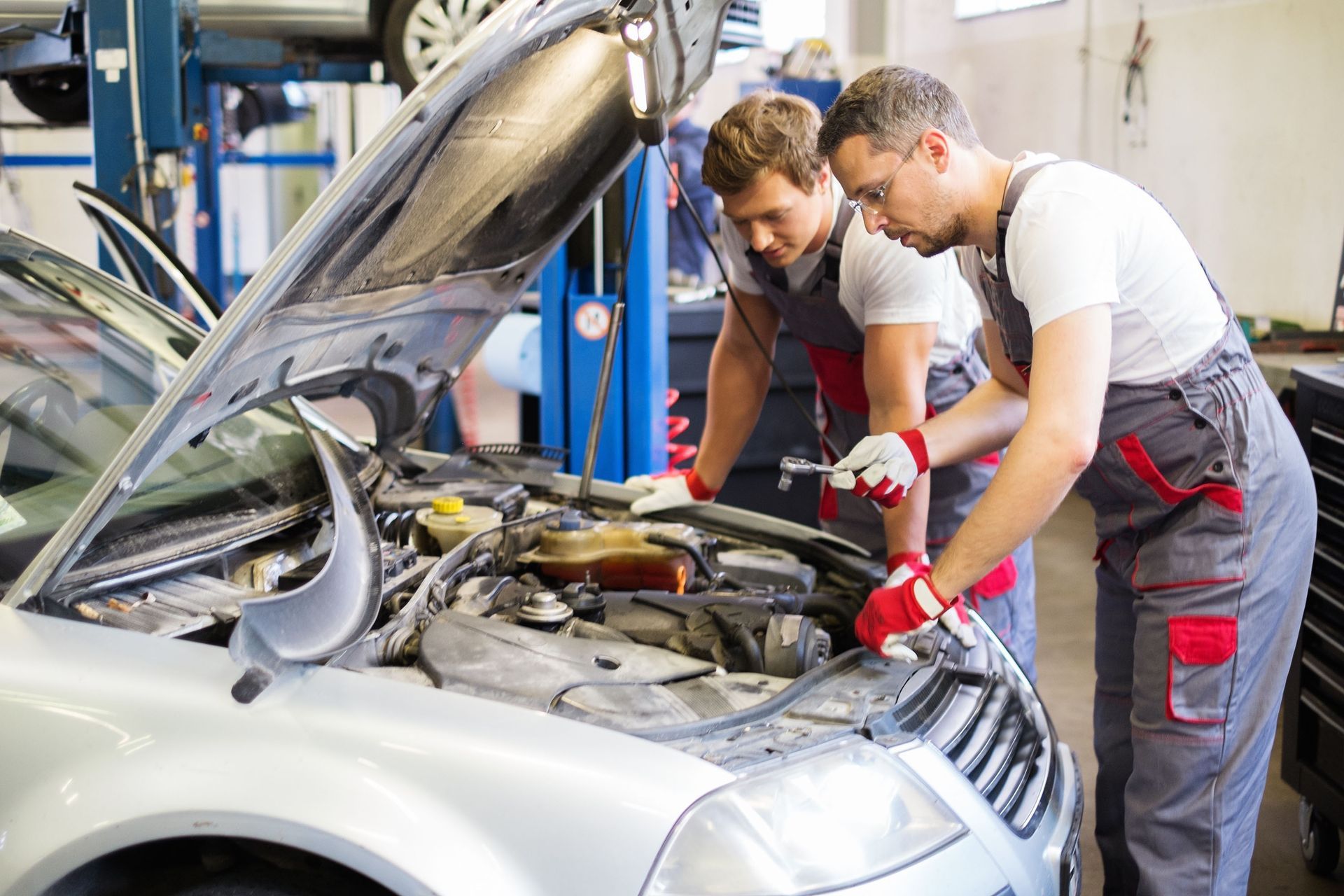
Routine vehicle servicing functions as the primary defense against unexpected breakdowns and premature component failure. Systems within a motor vehicle operate under continuous friction, heat, and pressure. Over time, fluids degrade, rubber belts deteriorate, and mechanical tolerances shift. Executing preventative services such as scheduled fluid refreshes, belt replacements, and tire adjustments protects sensitive assemblies before damage occurs. This systematic care keeps critical mechanisms working smoothly, avoiding severe damage to major components like the engine and transmission.
Fuel efficiency and overall performance depend heavily on how well maintenance schedules are followed. When engine components operate with fresh lubricants, clean filters, and proper calibration, energy loss is minimized. Properly inflated tires reduce rolling resistance, allowing the engine to move the vehicle with less effort and lower fuel consumption. Furthermore, keeping braking systems and steering linkages in optimal condition preserves sharp handling and responsive control. Regular care directly correlates with consistent mileage performance and predictable handling across varying road conditions.
Long-term financial benefits and increased vehicle lifespan represent clear rewards for diligent servicing. According to USA Today, the average lifespan of a vehicle in the United States is approximately 200,000 miles. Reaching or exceeding this mileage milestone requires meticulous care and timely attention to mechanical updates. Furthermore, maintaining complete service records enhances resale value when the time comes to sell or trade in the car. Prospective buyers view documented service histories as proof of responsible ownership, making a well-maintained automobile far more desirable in the secondary market.
Evaluating Essential Mechanical Systems
Understanding the core components of a vehicle helps owners recognize operational changes and communicate effectively with service experts. The engine serves as the power hub, converting fuel into rotational force through controlled combustion. Key sub-systems, including the ignition, cooling, and air intake networks, must function flawlessly to maintain stable operating temperatures and efficient power delivery. Recognizing normal engine behavior makes it easier to spot unusual vibrations, power drops, or odd noises that signal a need for prompt inspection.
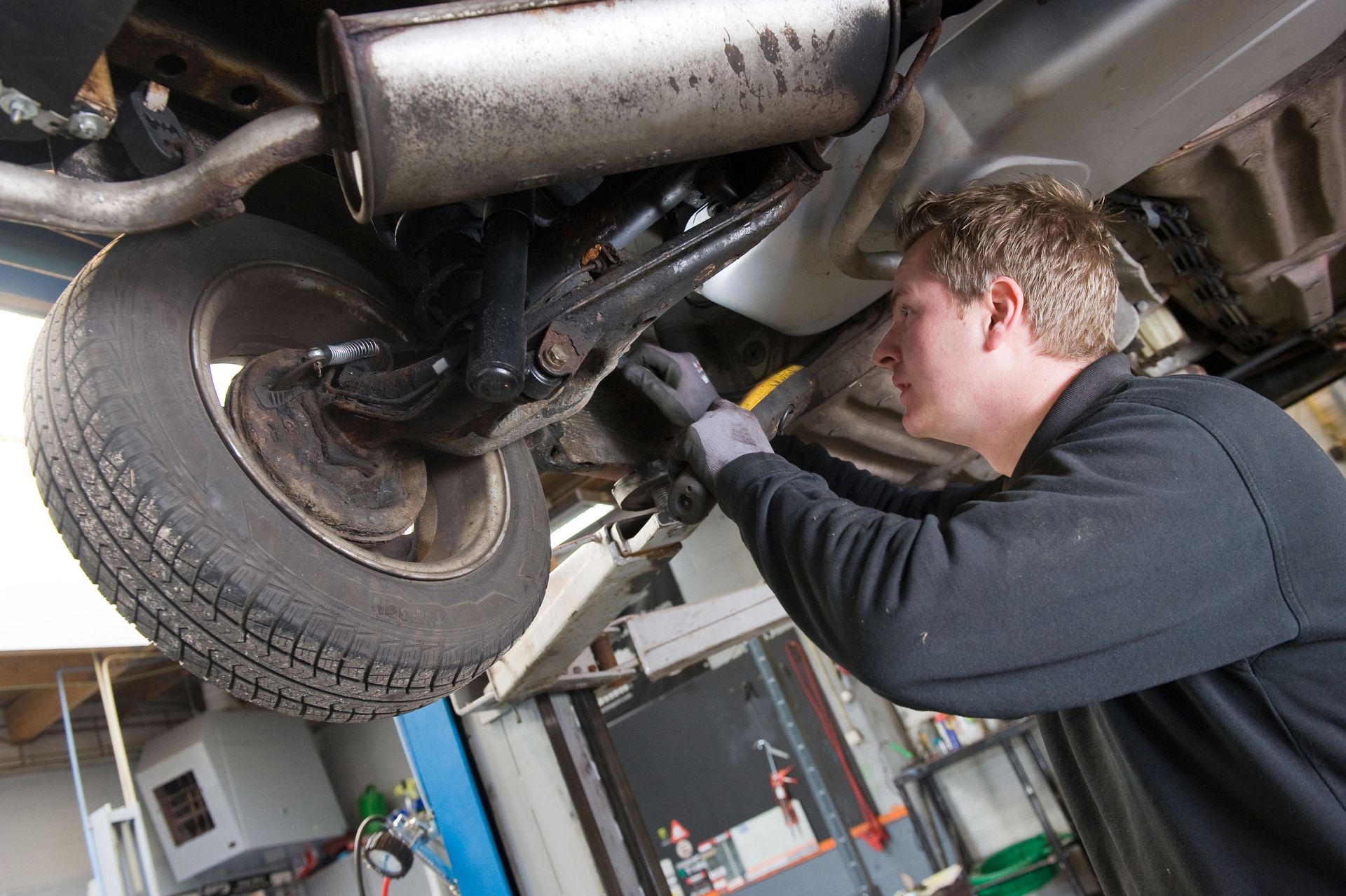
The transmission and braking systems are equally vital for driver control and vehicle safety. Transmissions transfer power from the engine to the driveshaft, adjusting torque and speed through precise gear ratios. Automatic and manual fluid levels must be checked regularly to prevent friction damage inside gears and clutches. Meanwhile, the braking system relies on hydraulic pressure to force friction pads against rotors, slowing the vehicle. Monitoring brake pad thickness, rotor surfaces, and fluid clarity ensures maximum stopping power during emergencies.
Electrical networks and tires complete the critical foundational elements of modern vehicle operations. The battery, alternator, and starter work together to supply electricity to vital electronics while keeping the engine running reliably. Battery terminal cleanliness and voltage output should be verified periodically to avoid unexpected starting failures. Concurrently, tires serve as the sole contact point between the car and the road surface. Inspecting tread depth, monitoring inflation pressures, and performing routine tire rotations ensure uniform wear, optimal traction, and dependable handling in adverse weather.
Selecting Certified Service Professionals
Finding a trustworthy auto repair shop is essential for maintaining vehicle integrity and protecting your repair budget. Industry certifications, such as credentials from the National Institute for Automotive Service Excellence, demonstrate that technicians have undergone rigorous training and testing. Certified specialists possess the diagnostic acumen needed to troubleshoot complex electronic and mechanical problems accurately. Partnering with a skilled shop guarantees that services meet established manufacturer standards and safety protocols.
Reputation and clear communication are key indicators of a professional service facility. Online reviews, customer testimonials, and recommendations from trusted acquaintances provide valuable insights into a business's integrity and quality of work. Reliable technicians take time to explain diagnostic findings clearly, outlining necessary repairs versus optional maintenance items without high-pressure tactics. Clear, upfront written estimates prevent surprising financial charges and ensure full transparency before work begins.
Evaluating warranties and shop guarantees provides additional security for major auto repair investments. Reputable facilities back their craftsmanship and replacement parts with explicit written warranties, offering protection if a component fails prematurely. A strong warranty demonstrates confidence in technician skill and part quality. Establishing a long-term relationship with an established facility simplifies future upkeep, creating a reliable history of care tailored specifically to your vehicle's needs.
Performing Routine Home Maintenance
Engaging in basic DIY maintenance empowers vehicle owners while keeping minor upkeep costs manageable. Simple tasks like replacing engine air filters and cabin air filters require minimal tools and straightforward steps. Fresh air filters promote clean engine combustion and improve interior air quality by trapping dust and pollen. Additionally, regularly checking windshield wiper blades and topping off washer fluid ensures clear visibility during heavy rain or snowstorms.
Monitoring fluid levels between professional shop visits helps catch leaks and consumption issues before severe harm occurs. Checking engine oil levels with the dipstick ensures adequate lubrication for internal moving parts. Similarly, monitoring coolant reservoirs, power steering fluid, and brake fluid levels provides early warnings of system breaches. Learning how to check tire pressure with a reliable digital gauge allows owners to adjust inflation to manufacturer specifications, preventing uneven tire wear and supporting fuel economy.
Safe battery maintenance and external cleaning also contribute significantly to vehicle health. Inspecting battery terminals for corrosion buildup and cleaning them with appropriate tools prevents voltage drops and electrical glitches. Washing the vehicle exterior regularly removes road salt, grime, and environmental contaminants that cause rust and paint degradation. Incorporating these simple habits into a monthly routine helps owners stay attuned to their car's condition and performance trends.
Leveraging Modern Diagnostic Technologies
Technological advancement has transformed the
auto repair landscape, offering sophisticated tools for precise vehicle monitoring. Modern vehicles incorporate extensive networks of electronic sensors that track engine performance, emissions levels, and safety systems in real time. Advanced diagnostic scanners connect directly to the vehicle's onboard computer to read diagnostic trouble codes when warning lights illuminate. This electronic precision eliminates guesswork, allowing technicians to isolate underlying faults efficiently.
Automated maintenance reminders and digital service records simplify tracking requirements for busy vehicle owners. Many modern automobiles feature dynamic display systems that monitor oil life, brake pad wear, and service intervals based on driving conditions rather than raw mileage alone. Digital applications and vehicle management platforms store historical repair logs, send automated service alerts, and help owners schedule necessary appointments promptly. Embracing these technical tools helps prevent missed maintenance deadlines.
Every mile driven represents a continuous partnership between the driver and the machine. Attending promptly to minor warning signs, adhering strictly to maintenance schedules, and utilizing modern diagnostic tools allows vehicle owners to avoid severe breakdowns and costly emergency repairs. Responsible car care pays consistent dividends in safety, fuel savings, smooth performance, and high resale value down the line. For more information about the services that we offer, reach out to our incredible team at Logan's Import Service Emporium today!







Share On: